Get Livestock Fencing Installation in Clermont County, OH
Livestock fencing installation services help Clermont County property owners secure animals, prevent escapes, and define boundaries through various fencing options like wire, wood, or electric fences.
Livestock fencing installation services are essential for property owners in Clermont County, OH who want to create secure and functional boundaries for their animals. Proper fencing helps prevent livestock from wandering off the property, ensuring safety and reducing the risk of accidents or loss. Additionally, a well-installed fence can enhance the overall layout of a farm or rural property, making daily management more practical and efficient.
Beyond safety and functionality, many property owners seek fencing solutions that offer durability and low maintenance. High-quality fencing materials can withstand local weather conditions, reducing the need for frequent repairs or replacements. An attractive fence also adds curb appeal, contributing to the property's overall appearance and value. Professional installation services provide peace of mind that the fencing will perform reliably and look appealing for years to come.
- Perimeter livestock fencing - ideal for enclosing pastures and keeping animals safely within property boundaries.
- Ranch and farm fencing - suitable when establishing secure areas for grazing or livestock containment on larger properties.
- Electric fencing installation - useful for managing livestock movement and preventing escapes in rural or semi-rural areas.
- Barbed wire fencing - often needed for livestock protection and property security in agricultural regions.
- Wood and vinyl fencing - appropriate for creating aesthetic enclosures around farms or rural homesteads.
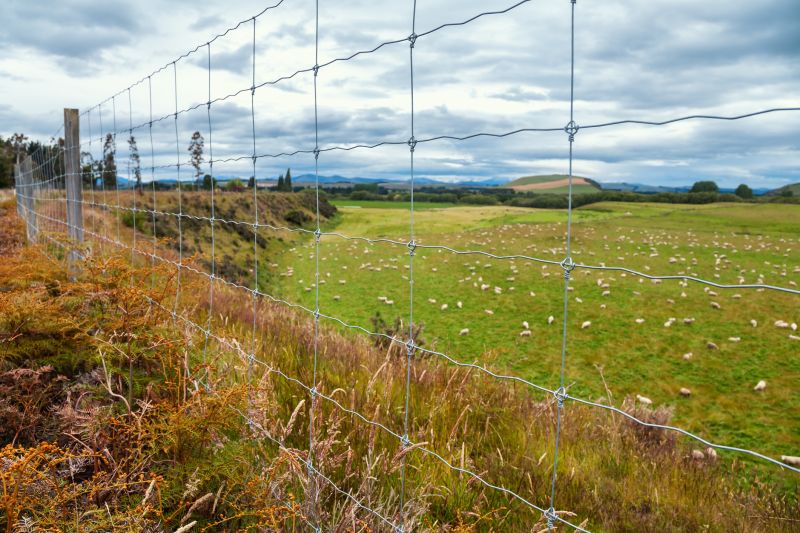
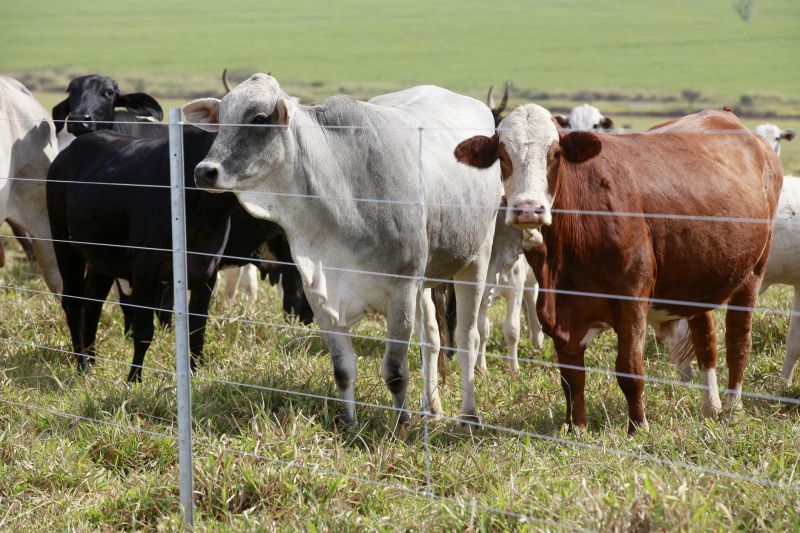
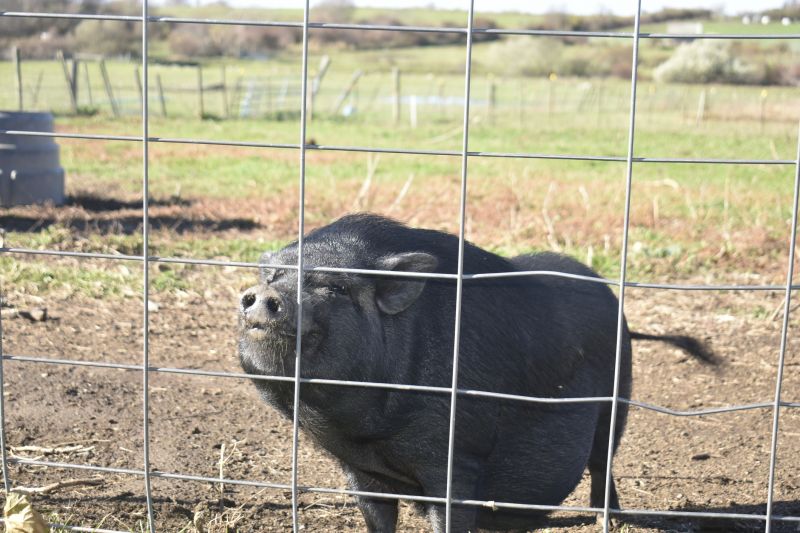
Livestock fencing installation services involve the setup of barriers designed to contain farm animals and prevent them from wandering onto neighboring properties or into unsafe areas. These services typically include selecting appropriate fencing materials, preparing the land, and installing the fencing structure to ensure durability and effectiveness. The process may also involve customizing fencing designs to suit specific types of livestock, such as cattle, horses, sheep, or goats, ensuring they are safely enclosed while allowing for easy access and maintenance.
The primary purpose of livestock fencing is to address common problems related to animal management and property security. Proper fencing helps prevent animals from escaping, which can lead to injury, property damage, or conflicts with neighbors. It also reduces the risk of animals wandering into hazardous zones, such as busy roads or areas with predators. Additionally, fencing can assist in managing grazing patterns and land use, making it easier for property owners to oversee their livestock and maintain the health of their land.
Properties that often utilize livestock fencing services include farms, ranches, and rural properties where animal husbandry is a primary activity. These properties typically feature large open spaces that require secure boundaries to contain livestock effectively. Additionally, equestrian facilities, hobby farms, and rural estates with small-scale livestock operations may also seek fencing installation to ensure their animals are safely enclosed and their property is protected from wildlife or trespassers.
Professional livestock fencing installation services can address a variety of property needs, offering solutions that are tailored to the size and type of livestock, as well as the specific landscape conditions. Whether for a small homestead or a large agricultural operation, experienced contractors can recommend appropriate fencing materials-such as wood, wire, vinyl, or electric fencing-and ensure that the installation meets functional and durability standards. Contacting local providers can help property owners find the right fencing solutions to meet their animal containment and property management goals.
The overview below groups typical Livestock Fencing Installation projects into broad ranges so you can see how smaller, mid-sized, and larger jobs often compare in Clermont County, OH.
In many markets, a large share of routine jobs stays in the lower and middle ranges, while only a smaller percentage of projects moves into the highest bands when the work is more complex or site conditions are harder than average.
Material Costs - The cost of fencing materials can range from approximately $1 to $5 per linear foot, depending on the type of fencing chosen, such as wire, wood, or vinyl. For example, wire fencing may cost around $1.50 per foot, while vinyl can be closer to $4 or $5 per foot.
Labor Expenses - Installation labor typically adds $3 to $8 per linear foot to the total cost, with prices varying based on site conditions and fencing complexity. For instance, straightforward wire fencing might cost about $4 per foot including labor, whereas more complex wood fencing could be around $8 per foot.
Additional Fees - Extra costs may include post installation, gates, or specialized fencing features, often ranging from $50 to $300 each. An example is installing a standard gate, which might cost around $150 to $250 depending on size and material.
Total Cost Range - Overall, the total expense for livestock fencing installation can vary widely, typically falling between $1,200 and $4,500 for a 300-foot perimeter. Exact prices depend on material choices, site conditions, and specific project requirements.
Actual totals will depend on details like access to the work area, the scope of the project, and the materials selected, so use these as general starting points rather than exact figures.
Electric Fencing Installation - Local contractors can set up electric fencing to provide an effective and secure boundary for livestock enclosures.
Barbed Wire Fencing - Professionals offer barbed wire fencing services to create durable barriers suitable for cattle, sheep, and other livestock.
Wooden Fencing - Local pros can install wooden fencing options that enhance the containment and appearance of livestock enclosures.
Chain-Link Fencing - Contractors can install chain-link fences to provide a sturdy and visible barrier for livestock containment areas.
Field Fencing - Experts can set up field fencing systems designed to keep livestock safely within designated grazing or pasture areas.
Pipe Fencing - Local service providers can install pipe fencing for a strong, long-lasting boundary around livestock facilities.
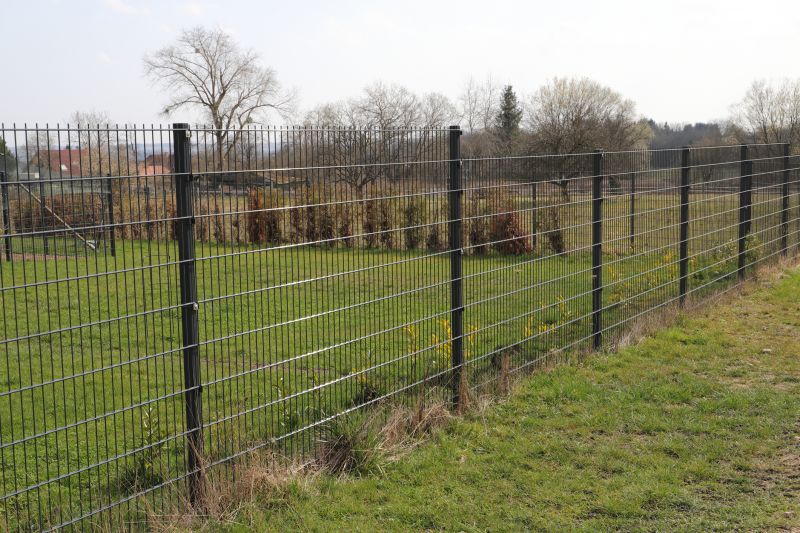
When selecting a professional for livestock fencing installation, it is important to consider their level of experience and expertise in handling similar projects. Homeowners should inquire about the length of time a contractor has been working in the field and whether they have specific experience with livestock fencing in their local area. A well-established provider with a history of successful installations can often demonstrate familiarity with regional conditions and common fencing challenges, which may contribute to a smoother project process.
Clear communication of expectations is essential when working with fencing contractors. Homeowners are encouraged to discuss project details upfront, including the scope of work, materials to be used, and any specific requirements related to livestock safety or property boundaries. Reputable service providers are typically transparent about their processes and willing to provide written estimates or plans, helping to ensure that all parties share a common understanding of the project’s goals and deliverables.
Reputation and references are valuable indicators of a local fencing professional’s reliability and quality of work. Homeowners should seek out service providers with established reputations within the community and request references or examples of completed projects. Reliable contractors often have a track record of satisfied clients and can provide insights into their work ethic, communication style, and ability to meet project expectations. Effective communication throughout the process is also crucial, enabling homeowners to stay informed and address any questions or concerns as they arise.
Property owners in Clermont County, OH use Livestock Fencing Installation services for practical projects around their homes and businesses. The sections below highlight everyday jobs and straightforward project options.
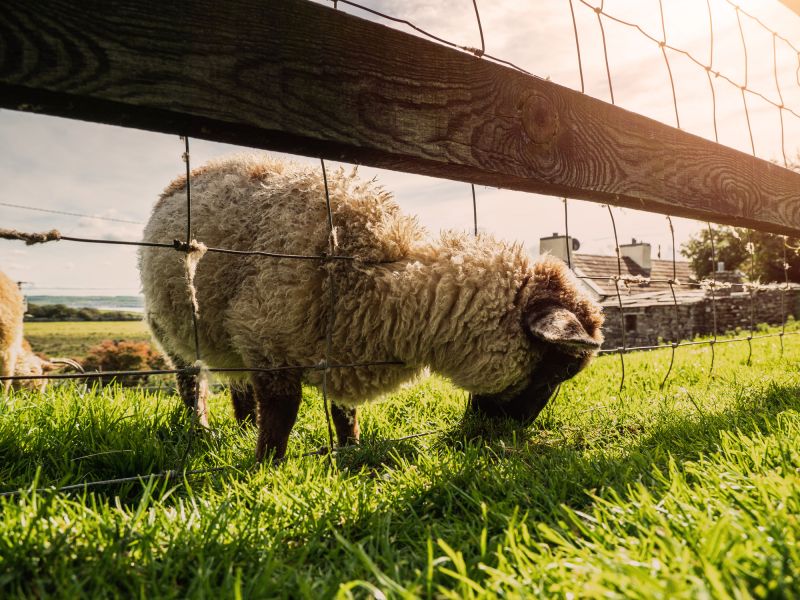
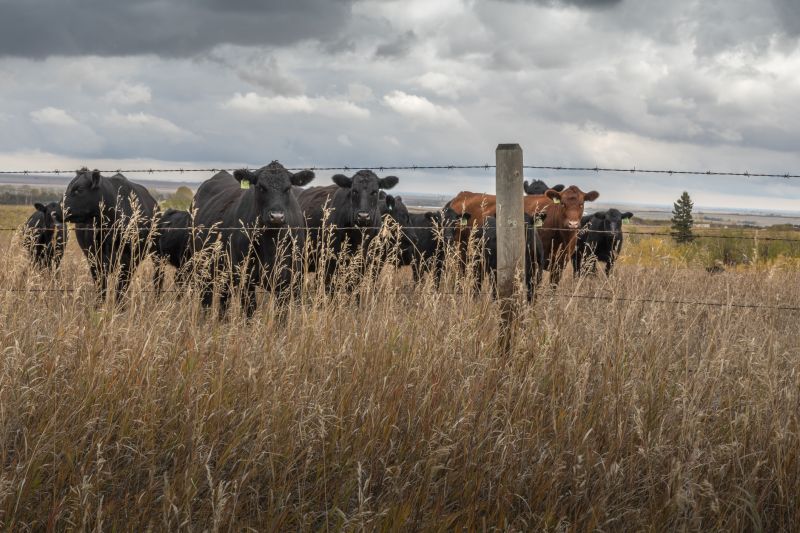
Livestock fencing installation services are often sought after by property owners in Clermont County, OH, who need to establish clear boundaries for their land or livestock. Whether setting up a new enclosure for cattle, horses, or other farm animals, local contractors can provide the necessary fencing solutions to keep animals secure and prevent them from wandering off. Additionally, property owners might look for fencing to delineate different sections of a farm or pasture, helping to organize land use and improve overall management.
In some cases, property owners may require fencing to enhance security or prevent unauthorized access to their land. This can be especially important for rural properties with valuable equipment or crops. Fencing can also serve to protect gardens or residential areas from wildlife or stray animals. Local fencing professionals are available to assist with a range of project sizes, offering options that suit both practical needs and property aesthetics.
What types of livestock fencing services are available locally? Local service providers offer a range of livestock fencing options including wire, wood, electric, and woven wire fences tailored to different types of livestock and property needs.
How do I find experienced livestock fencing contractors in my area? You can contact local fencing specialists who can provide consultations and installation services for livestock fencing on farms and rural properties in Clermont County and nearby regions.
What factors influence the cost of livestock fencing installation? Costs are typically affected by the fencing material chosen, the size of the area to be fenced, terrain conditions, and the complexity of installation requirements.
Are there different fencing options suitable for various types of livestock? Yes, different livestock such as cattle, horses, or sheep may require specific fencing types to ensure safety and containment, which local pros can recommend.
What should I consider when planning livestock fencing installation? It's important to consider the livestock type, property layout, durability needs, and local regulations, with guidance from nearby fencing professionals.
Wooden Livestock Fencing Installation - Local pros can install durable wooden fences to securely contain livestock and define property boundaries.
Electric Livestock Fencing Setup - Experts are available to set up electric fencing systems that provide effective and adjustable livestock containment solutions.
Chain-Link Livestock Fencing Services - Professionals can install chain-link fences that offer strength and visibility for livestock enclosures.
Field and Pasture Fencing Solutions - Local contractors can design and install fencing options tailored for large pastures and grazing areas.
Considering Livestock Fencing Installation for a property in Clermont County, OH? The sections above highlight common project types, practical options, and details that often shape the scope of work.
When you are ready, use the quote form to share a few details about your project. Local pros can review the basics and respond with options that match what you have in mind.